Designing Focus, Engineering Serendipity
The layout of a cooperative is a psychological script written in furniture, lighting, and flow. It dictates whether a space becomes a legendary launchpad for innovation or just another room with tables. The design of a true cooperative must solve a binary puzzle: providing the deep isolation necessary for "flow state" while engineering the accidental collisions that spark genius. This is the architectural duality of the modern co operative—a machine built for silence and conversation simultaneously. We explore the physical elements that choreograph this daily dance.
Lighting is the unsung hero of the productive cooperative. Harsh, uniform fluorescent glare is the signature of a space that does not respect human circadian rhythms, creating a sterile, transactional atmosphere. In contrast, a masterful co operative uses layered illumination: warm, dimmable pendants over individual tables create private bubbles of focus. Natural light from large windows maintains the connection to the passing day, preventing the temporal disorientation common in windowless offices. The dimmer switch, therefore, is the most potent tool in the cooperative designer’s arsenal, transitioning the mood from morning hustle to evening intimacy.
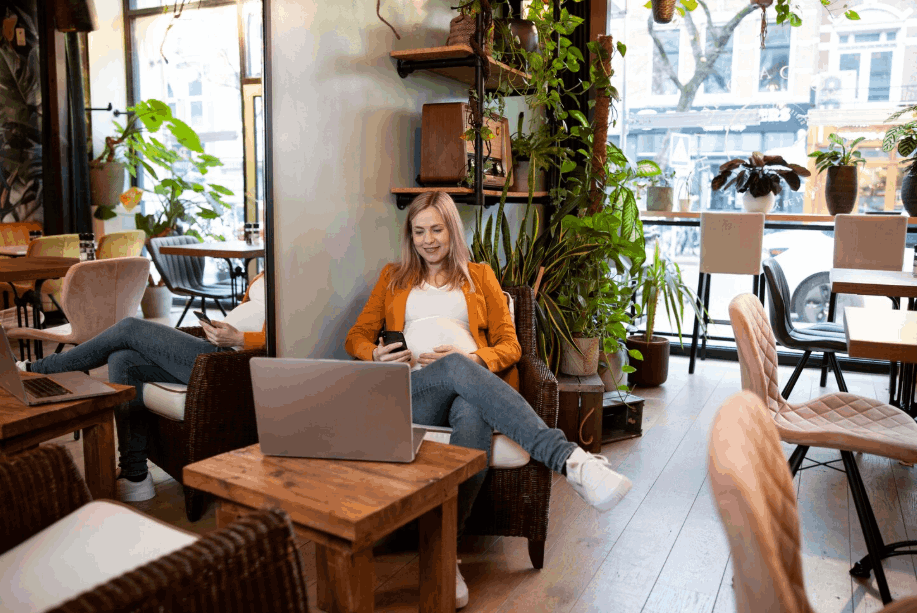
The taxonomy of seating in a cooperative is as diverse as an ecosystem, and each species of chair serves a specific cognitive purpose. The plush, low-slung lounge chair signals casual browsing, relaxation, and informal chatting—a poor choice for spreadsheet deadlines. The upright, hard-backed wooden chair at the communal table signals serious intention, rigid posture, and focused task execution. A well-planned co operative offers this variety, allowing the body to physically "select" a work mode. You are not just picking a spot in the cooperative; you are prescribing a posture for your brain.
The positioning of the communal table is the centerpiece of engineering serendipity within the cooperative. Often placed near the point of sale or the coffee pick-up line, it forces a gentle congestion of bodies. This bottleneck is deliberate; it’s an architectural nudge that turns a passive wait for a latte into a potential exchange of business cards. The adjacency of strangers at these "long tables" lowers social inhibitions over repeated visits. The result is a co operative environment where the physical floorplan accelerates networking that would never happen inside a private office suite.
Biophilic design—the integration of greenery—is rapidly shifting from a trend to a baseline requirement in any serious cooperative. Plants are not just decoration; they act as natural partitions, providing a sense of visual privacy without the claustrophobia of solid walls. The sight of living foliage has a neurologically proven calming effect, lowering cortisol levels during high-pressure work sprints inside the co operative. A jungle of cascading ferns also improves acoustic dampening, absorbing the sharp echoes that disrupt focus. Bringing the outside indoors fundamentally signals that this cooperative cares about long-term well-being over short-term capacity.
Temperature and airflow create the invisible comfort cloud that determines the retention rate of a cooperative. A space that is too cold ceases to be inviting, forcing patrons to wrap up and leave once their fingers go numb. Conversely, a stuffy, hot co operative induces drowsiness and a palpable sense of sluggishness that defeats productivity. The careful management of fresh air intake and subtle breezes keeps the collective brain alert. These atmospheric variables are the final layer of spatial mastery, proving that a great cooperative is controlled at the molecular level.
Ultimately, the design of a cooperative is the design of possibility. It is the physical creation of a framework where both introverts and extroverts can find their niche without compromising. By using physical objects to guide human behavior, a well-built co operative removes the friction between wanting to be alone and wanting to be seen. When the design is invisible and intuition takes over, the space succeeds. The ultimate cooperative becomes a background processor for human ambition, so well-tuned that you only notice the architecture when it is missing.